
Rhino EntertainmentClient Information
12 November, 2025Print
John Coltrane 1960-1964 Mono (Rhino High Fidelity)
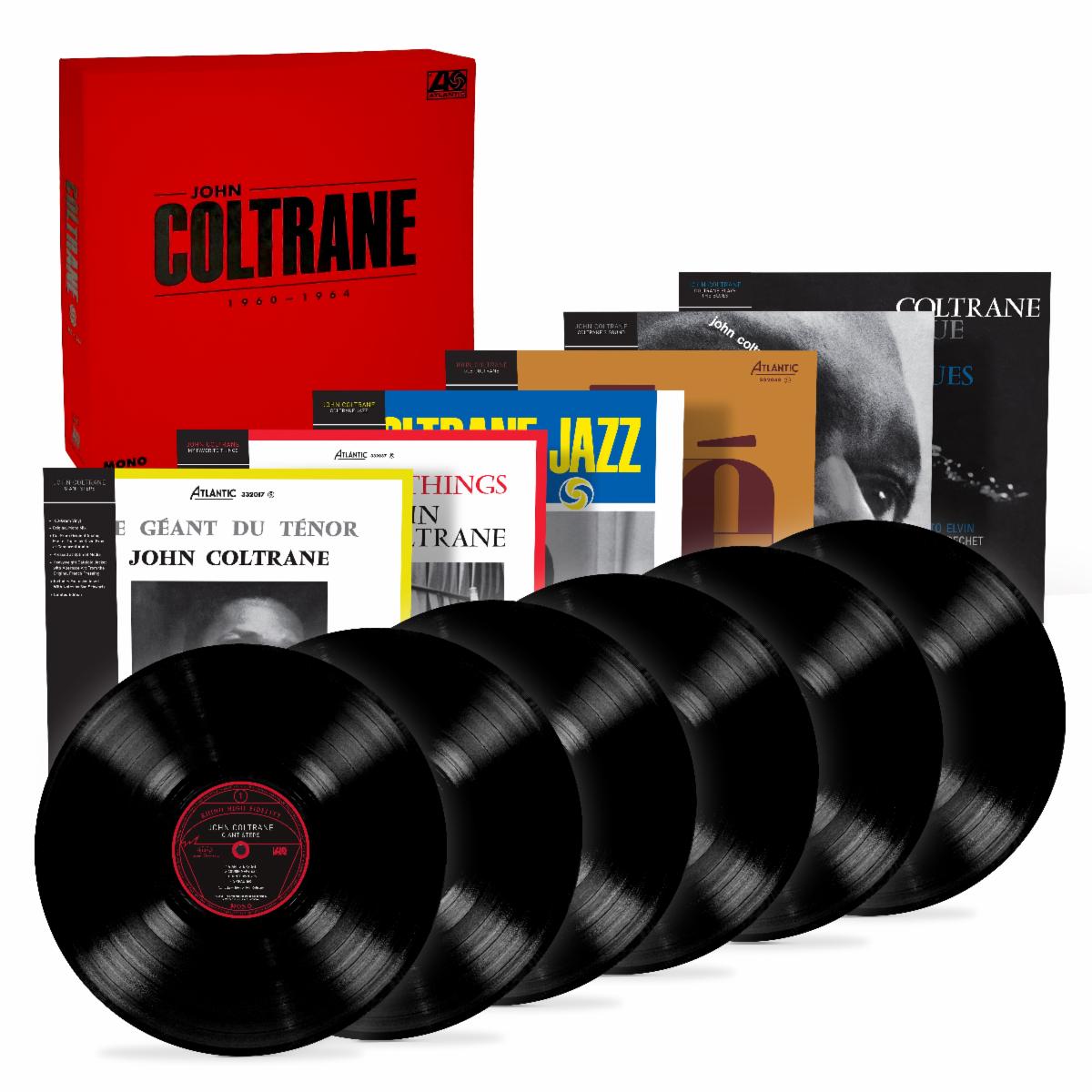
Rhino Celebrates Coltrane’s Centennial With 6lp Boxed Set Featuring Six Atlantic Albums Cut From The Original Mono Master TapesArrives November 28 And Includes Giant Steps, Coltrane Jazz, My Favorite Things, Olé Coltrane, Coltrane Plays The Blues, And Coltrane’s Sound
Limited To 2,000 Individually Numbered Copies Available Exclusively At Rhino.Com
|
|
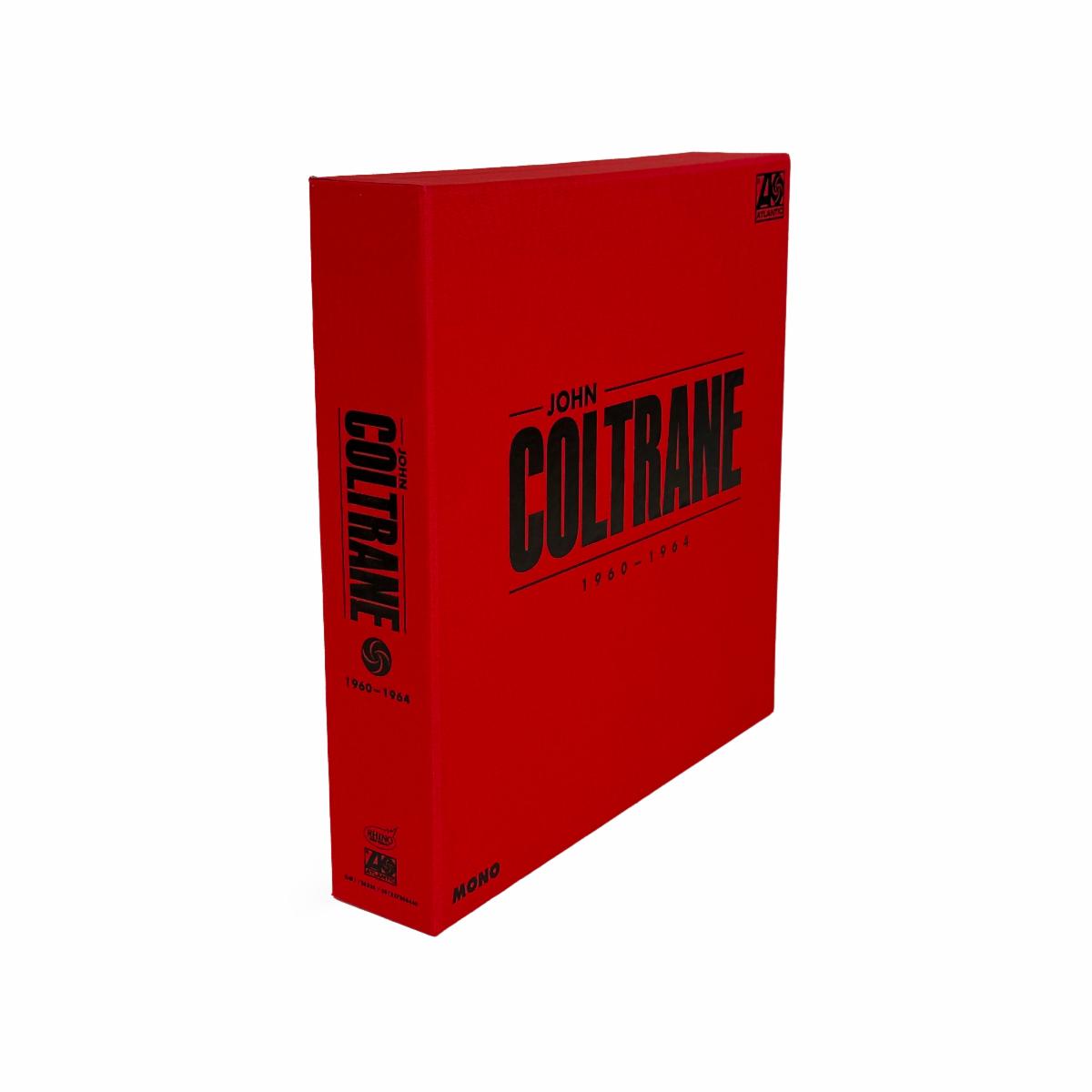
(November 12, 2025 - Los Angeles, CA) John Coltrane’s impact on modern music is immeasurable. The saxophonist’s groundbreaking work at Atlantic Records in the early 1960s helped expand the language of jazz and redefine the possibilities of improvisation. In honor of Coltrane’s upcoming centennial next year, Rhino is starting the celebration early on November 28 with a vinyl boxed set featuring six albums in mono, reissued as part of the acclaimed Rhino High Fidelity series.
1960-1964 Mono (Rhino High Fidelity) brings together Giant Steps, Coltrane Jazz, My Favorite Things, Olé Coltrane, Coltrane Plays The Blues, and Coltrane’s Sound. Available exclusively at Rhino.com and internationally at select WMG stores, the collection is limited to 2,000 individually numbered copies. Pre-Order Here.
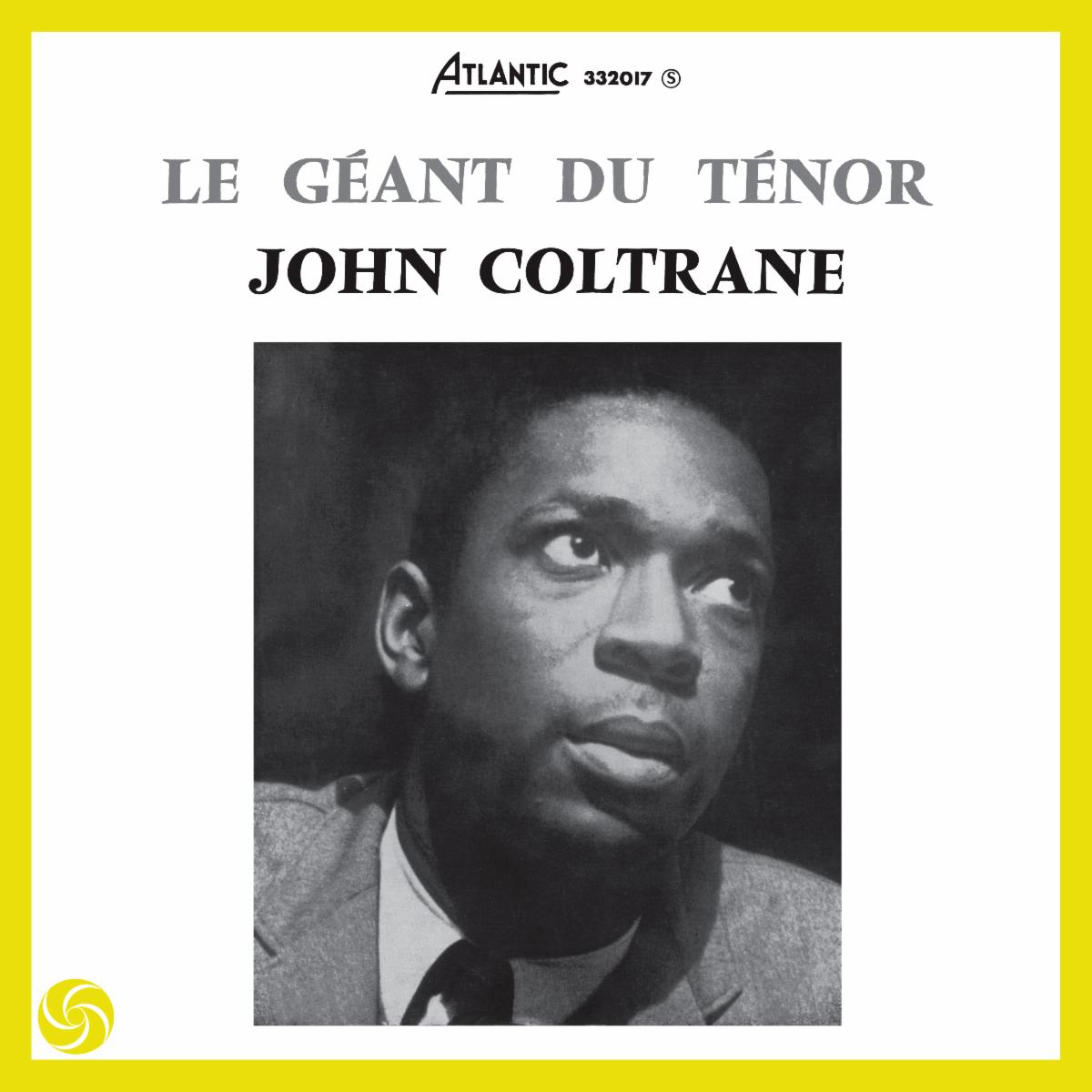
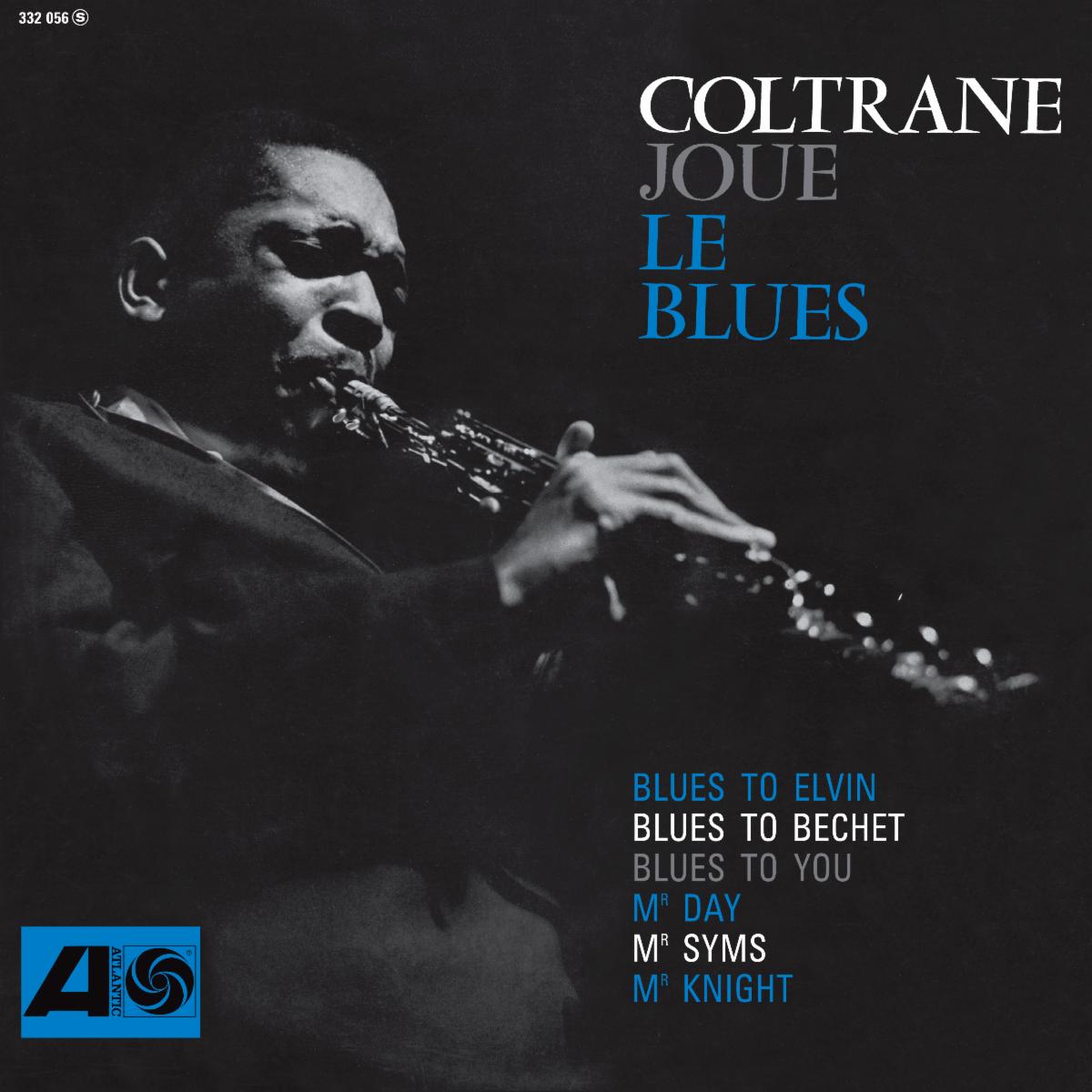
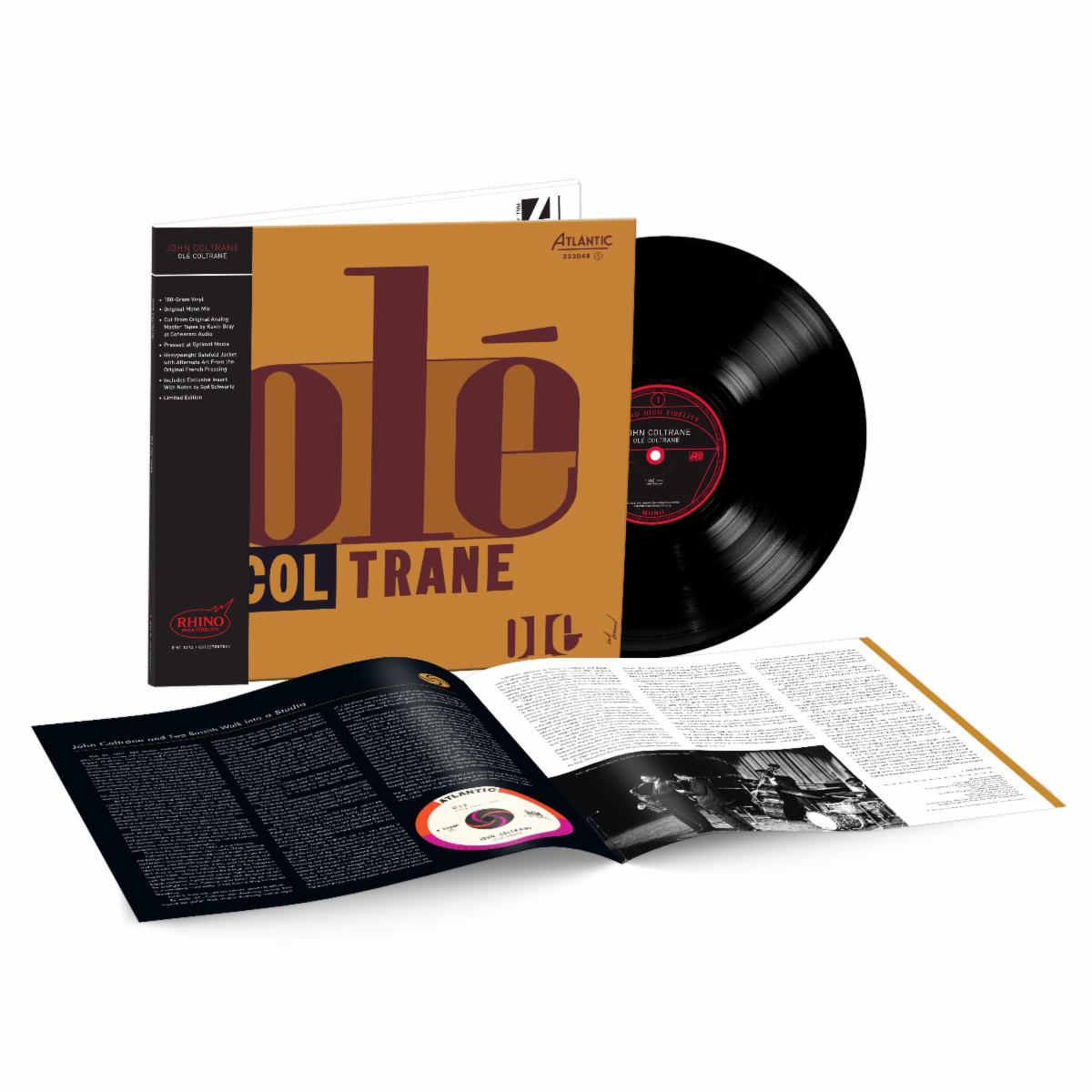
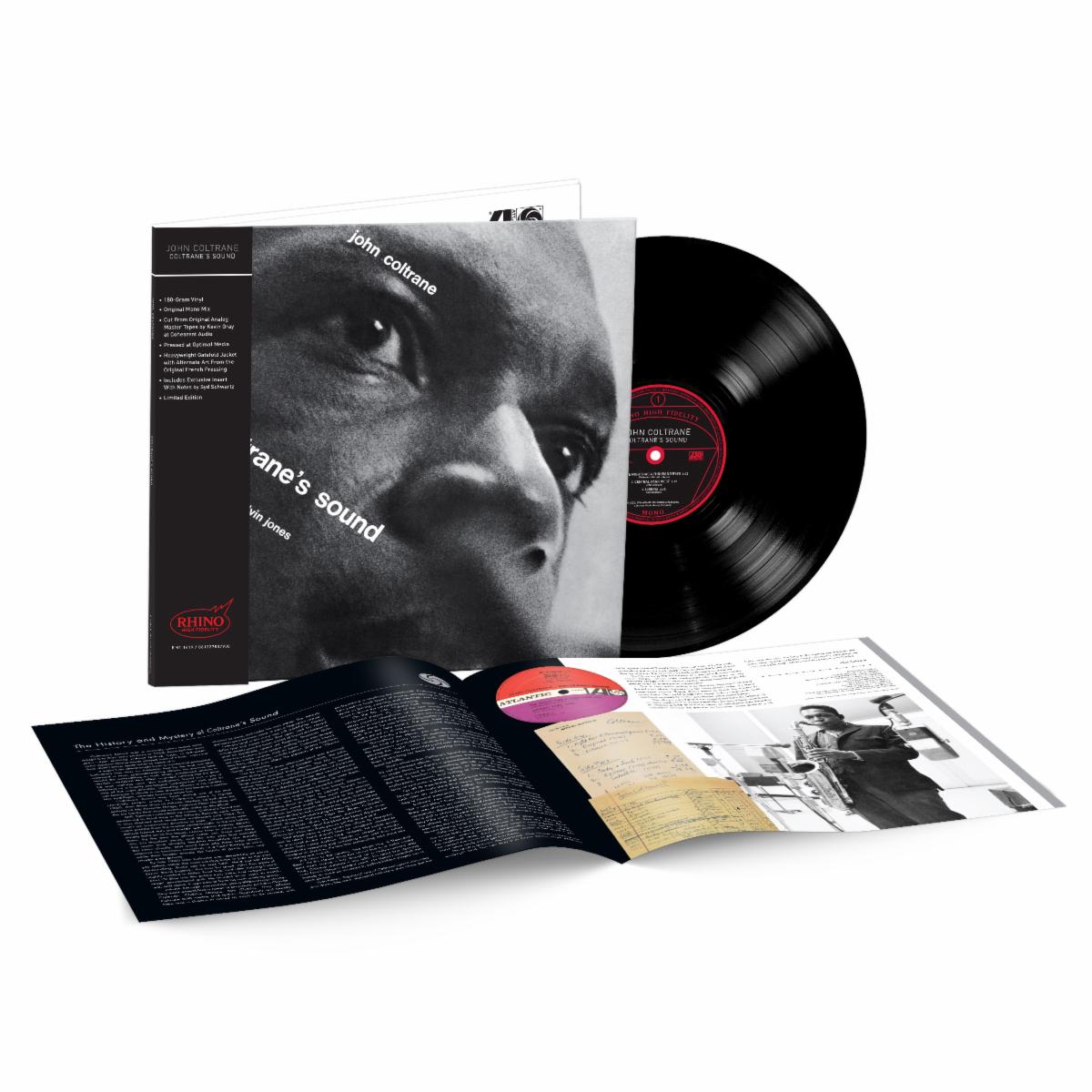
Each album is AAA cut from the original analog mono master tapes by Kevin Gray and pressed on 180-gram heavyweight vinyl at Optimal. The records are presented in glossy gatefold jackets with the alternate French cover art and the original U.S. cover art inside the gatefolds, and exclusive new liner notes by music writer Syd Schwartz. The set showcases Rhino Hi-Fi’s industry-leading standard for audiophile sound and presentation, built on the label’s 45-year legacy of award-winning archival releases.
Few artists have altered the course of music as profoundly as Coltrane. From his early collaborations with Miles Davis and Thelonious Monk to his revolutionary work as a bandleader, Coltrane’s relentless pursuit of new ideas reshaped jazz. His years at Atlantic captured a creative surge that bridged tradition and transformation and were followed by recordings that revealed a spiritual depth that defined his later work. As his centennial approaches, Coltrane’s legacy remains a benchmark for artistic courage and innovation.
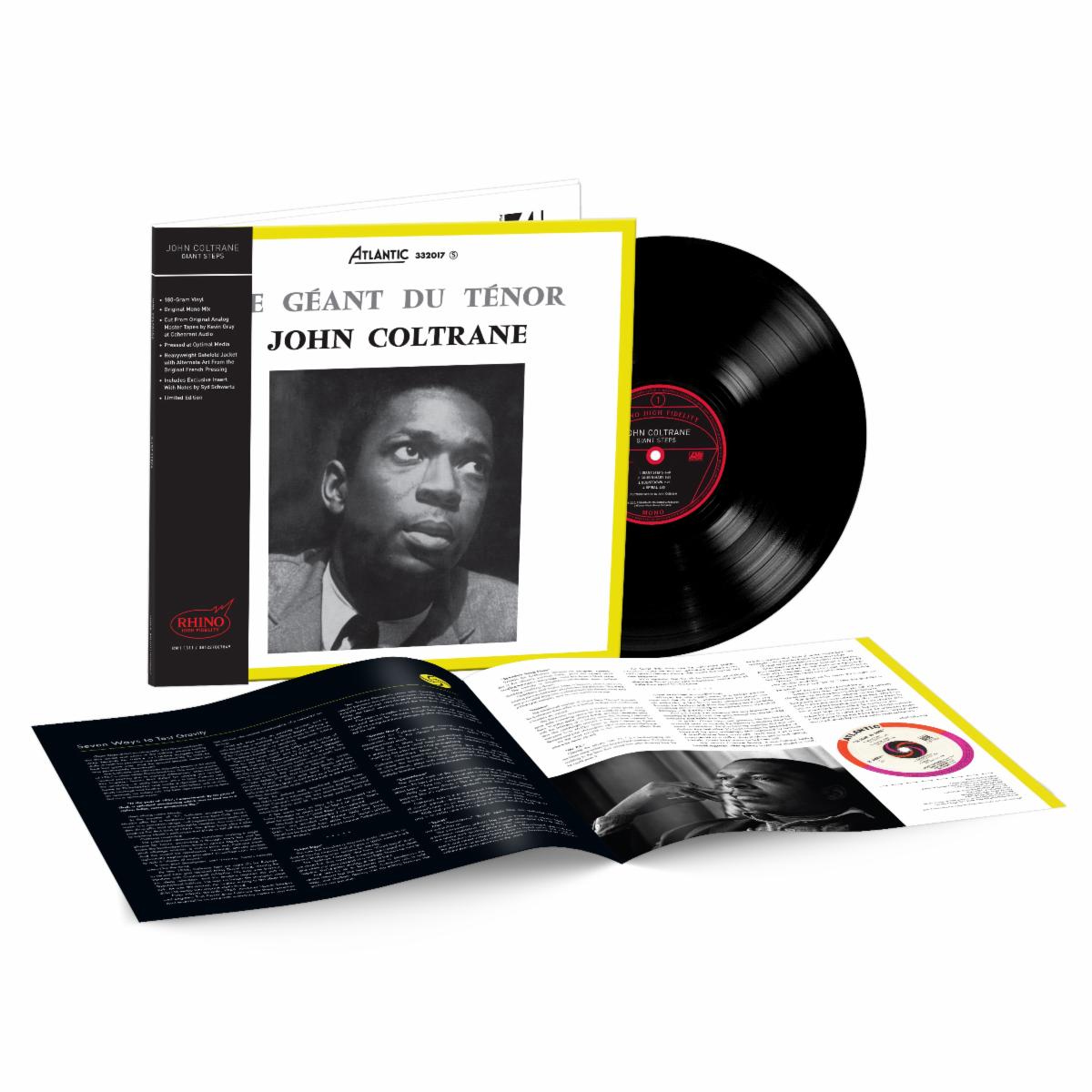
Coltrane started sessions for his first Atlantic album right after playing on Davis’s masterpiece, Kind of Blue. Released in early 1960, Giant Steps introduced the “Coltrane Changes,” a revolutionary approach to chords still studied today. From the tenderness of “Naima” to the hard swing of “Mr. P.C.,” the album captures his blend of precision and lyricism. Inducted into the GRAMMY® Hall of Fame in 2001, Giant Steps is one of jazz’s most influential albums.
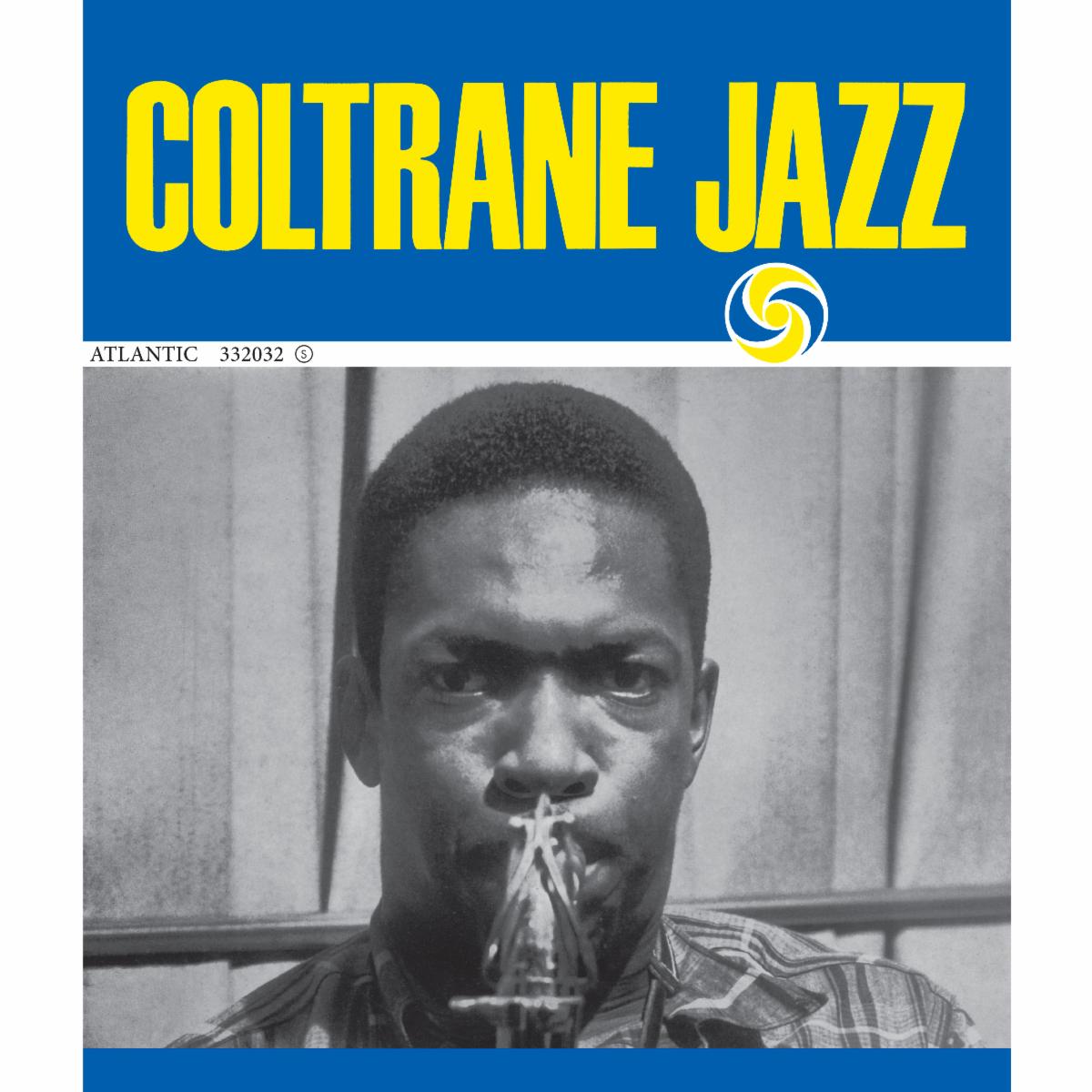
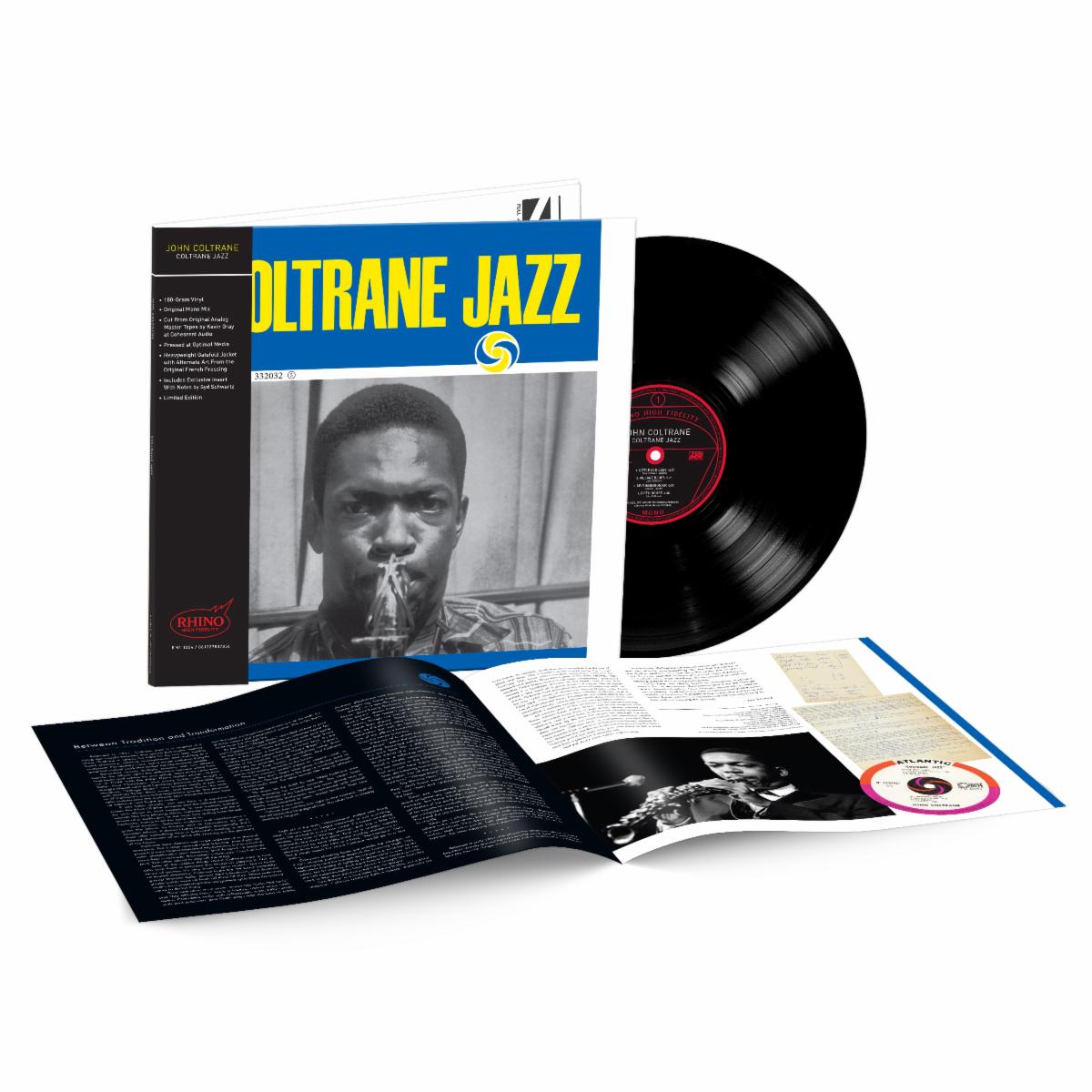
Building on the innovations of its predecessor, Coltrane Jazz (January 1961) shows him working with greater openness and flow. Featuring the fluid motion of “Like Sonny” and the contemplative phrasing of “Village Blues,” it offers early glimpses of the sound Coltrane would soon achieve with pianist McCoy Tyner, bassist Jimmy Garrison, and drummer Elvin Jones—the classic quartet that would define the remainder of his Atlantic years.
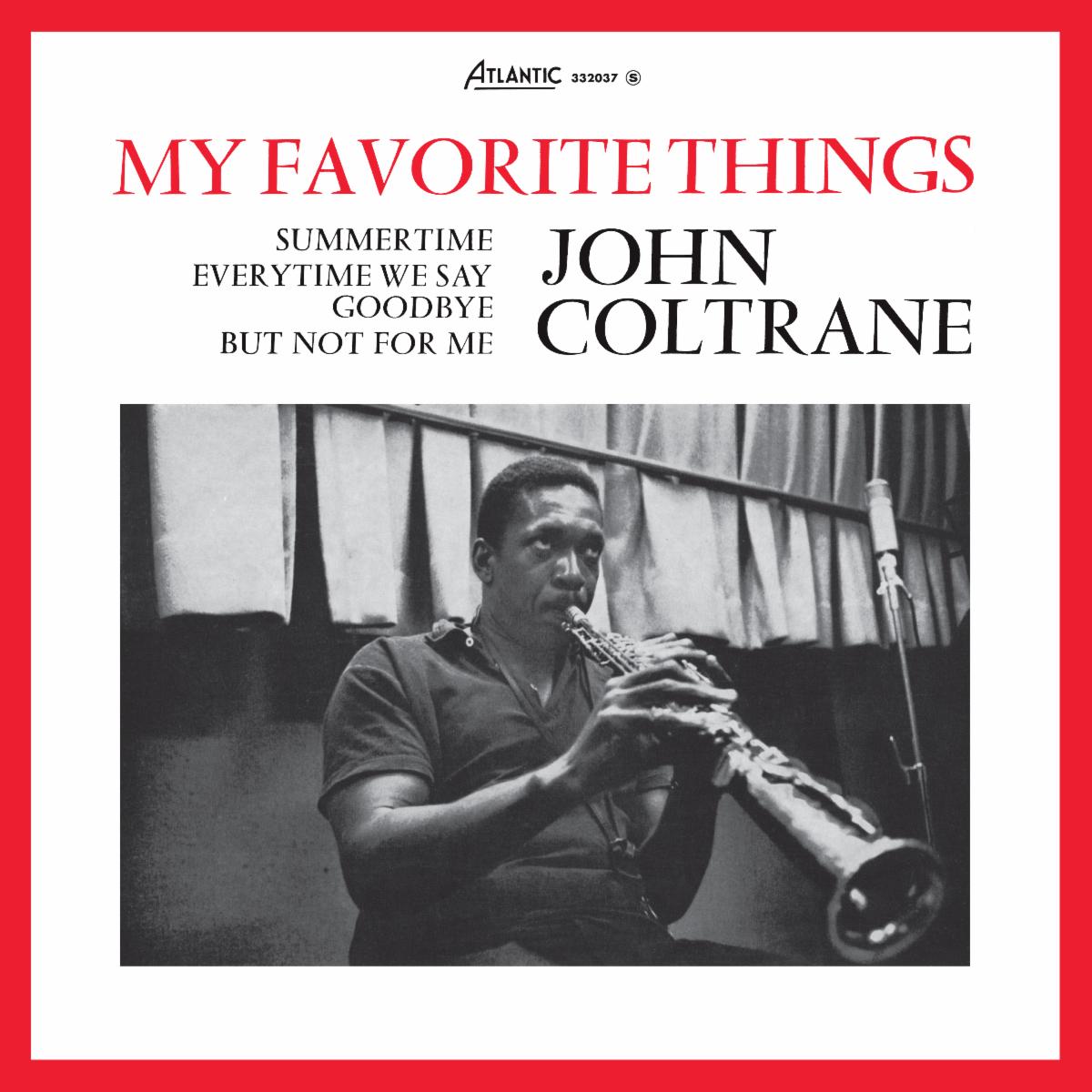
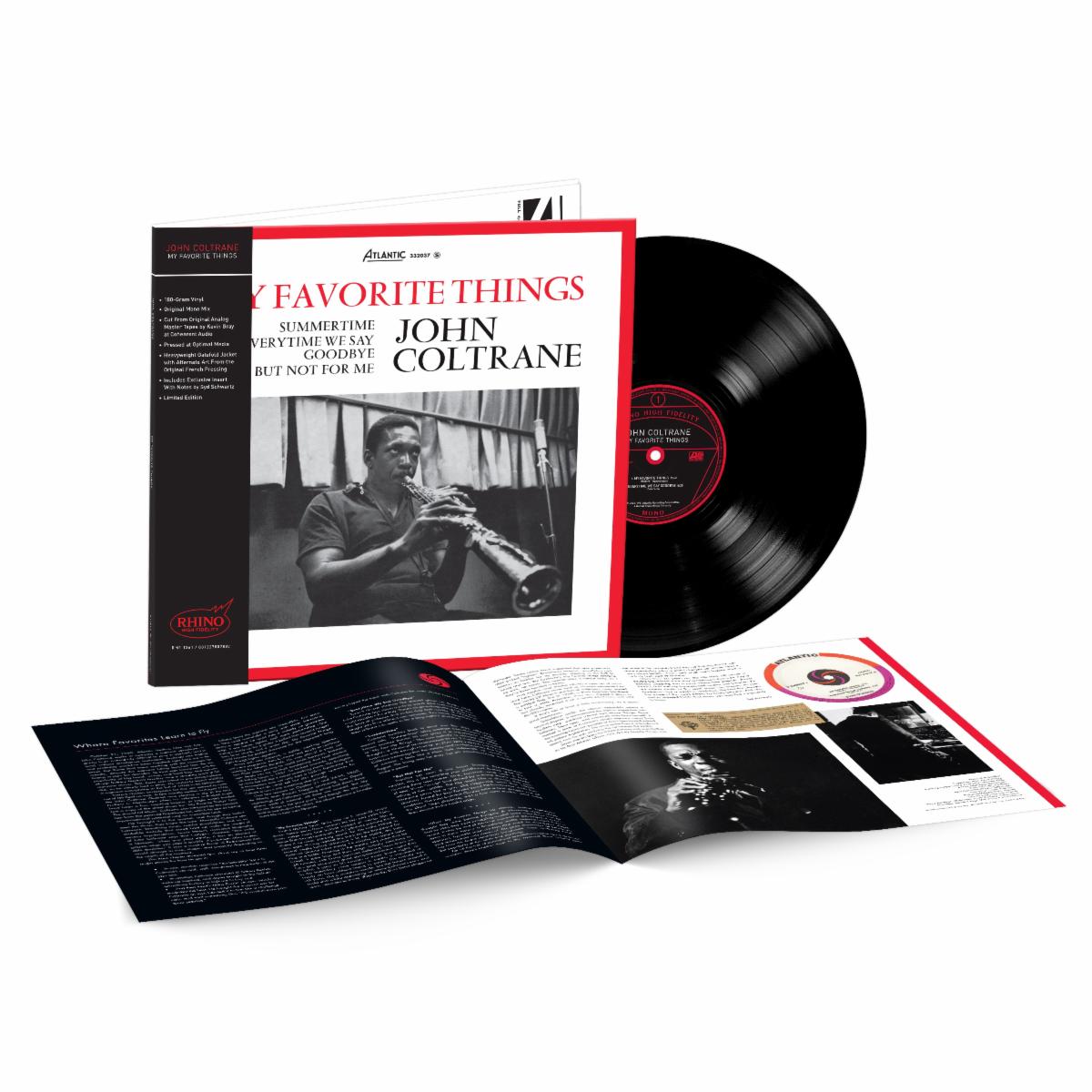
My Favorite Things (March 1961) marked a major turning point for Coltrane, featuring his debut on soprano saxophone and a modal approach that opened new harmonic and emotional space in his music. His hypnotic interpretation of the Rodgers and Hammerstein title track became an unexpected hit, while standards like “Summertime” and “Every Time We Say Goodbye” showcased the expressive depth of his new quartet.
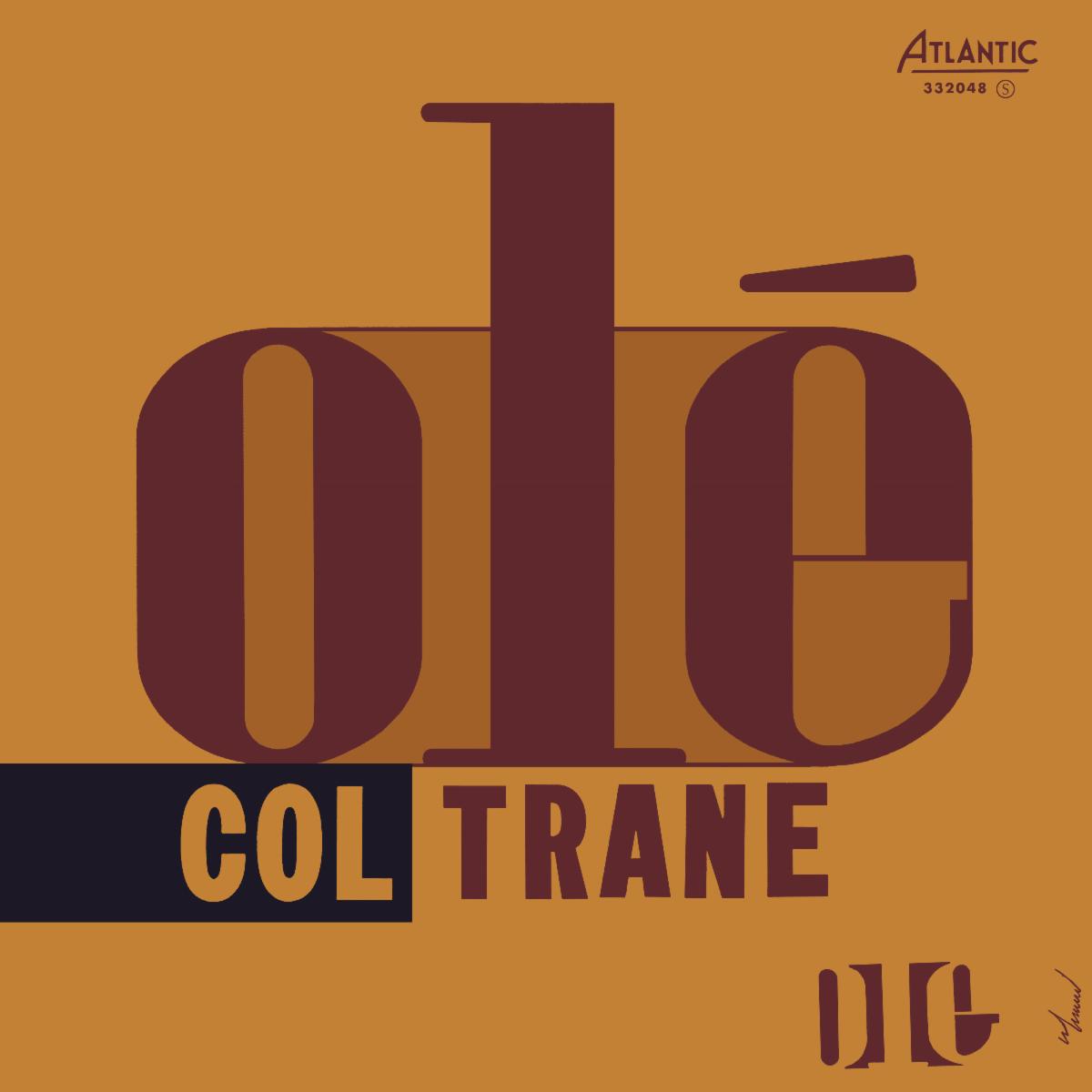
Drawing on Spanish and North African influences, Coltrane expanded his modal explorations on Olé Coltrane (November 1961). The extended title track, driven by two bassists and highlighted by Eric Dolphy’s flute, created a mesmerizing energy that pushed his quartet into new territory. The result was one of his most adventurous Atlantic recordings, bridging the freedom of his later work with the lyricism of this era.
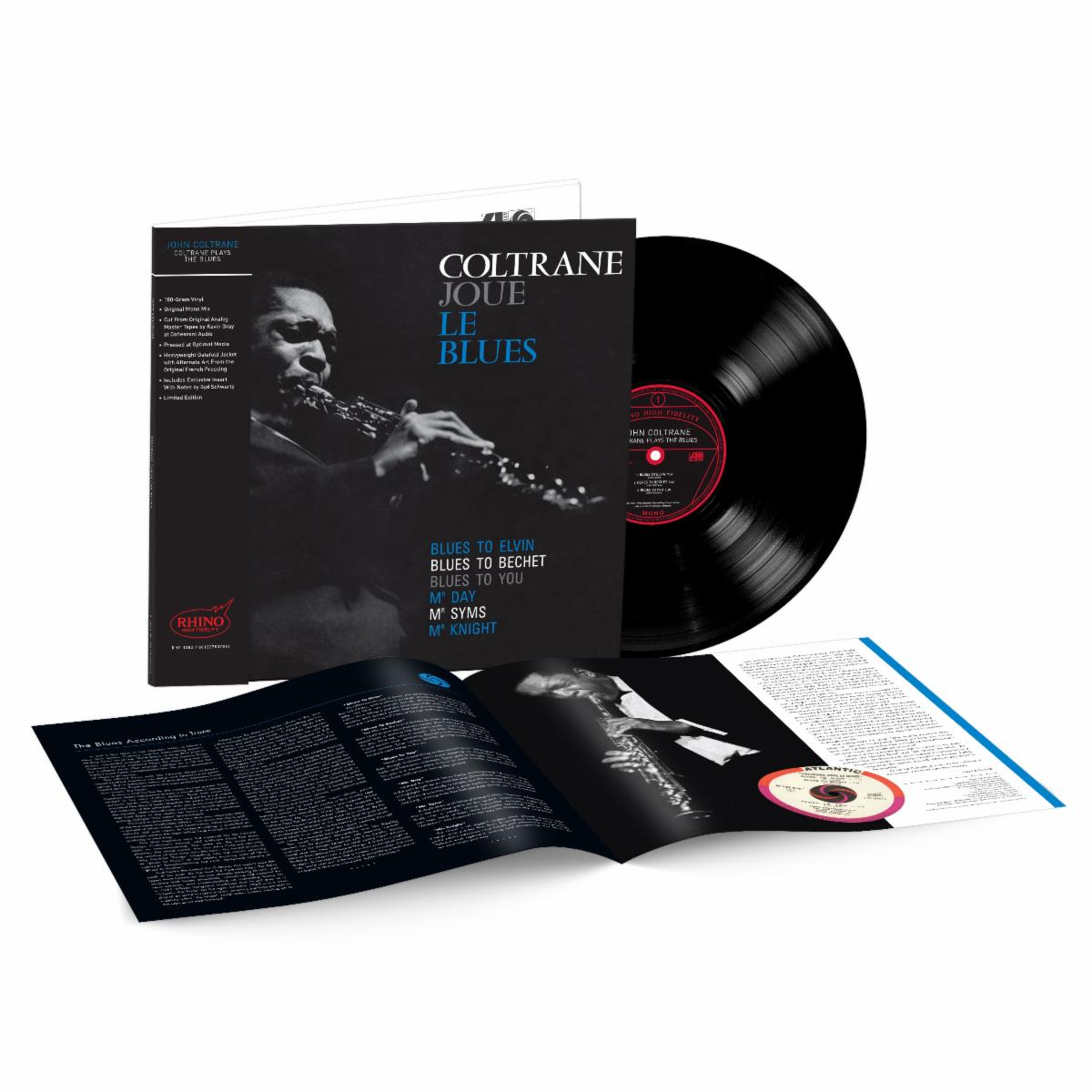
Coltrane Plays the Blues (1962) turns the blues form into a framework for harmonic invention and rhythmic interplay. Each track reveals a different facet of his sound, from the open dialogue of “Blues to Elvin” to the assertive drive of “Mr. Day.” Beneath its stripped-down surface lies some of Coltrane’s most direct and vital playing of the Atlantic years.
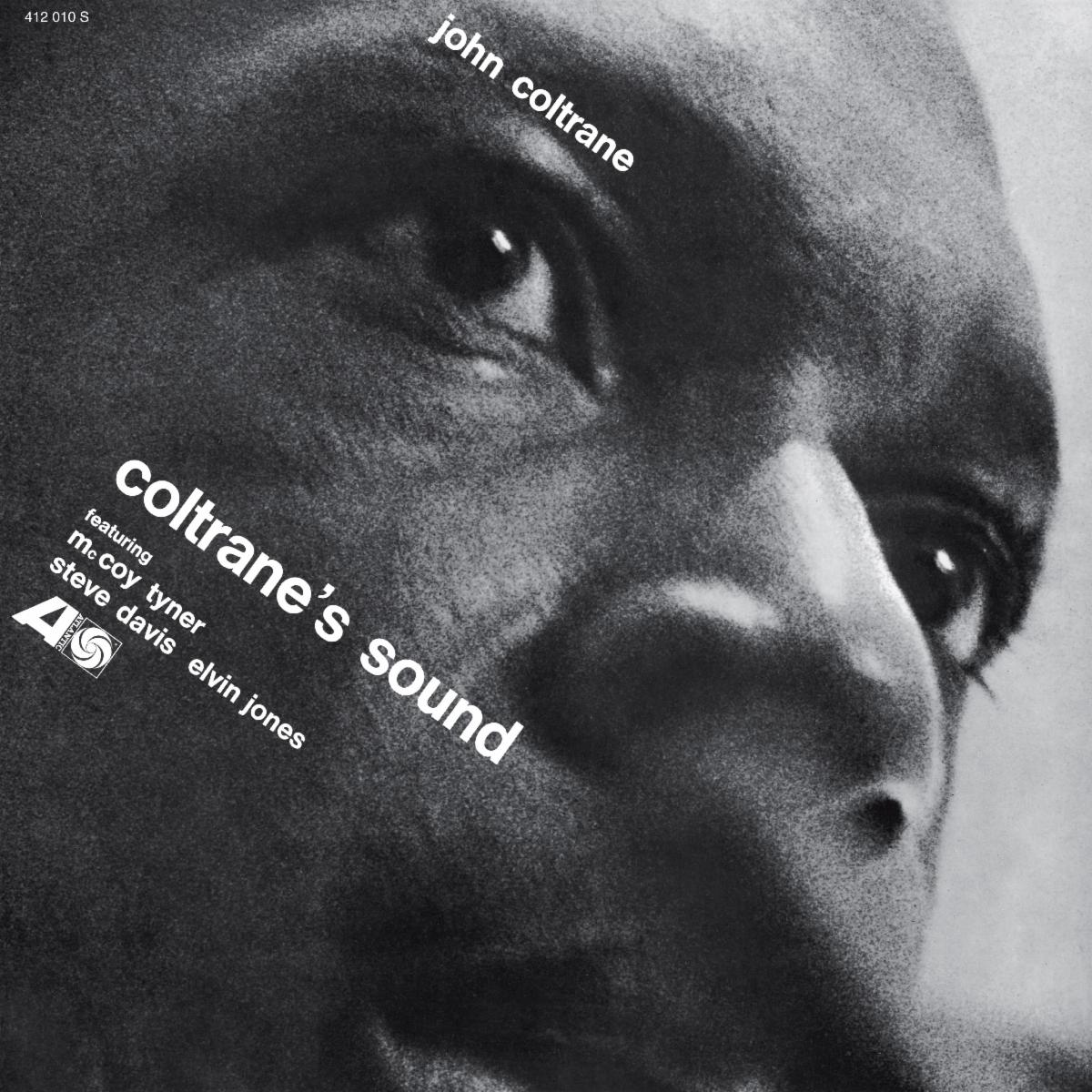
Majestic and deeply expressive, Coltrane’s Sound (1964) distills the emotion of this period into six focused performances that balance structure and range. From the brooding power of “Equinox” to the wistful lyricism of “Central Park West,” it captures Coltrane refining his voice with renewed clarity and purpose. As Schwartz says in the liner notes, “He wasn’t aiming for perfection; he was aiming for truth.”
|
|
|
|
|
1960-1964 MONO (RHINO HIGH FIDELITY)
LP Track Listing
Giant Steps (1960)
Side One
- “Giant Steps”
- “Cousin Mary”
- “Countdown”
- “Spiral”
Side Two
- “Syeeda’s Song Flute”
- “Naima”
- “Mr. P.C.”
Coltrane Jazz (1961)
Side One
- “Little Old Lady”
- “Village Blues”
- “My Shining Hour”
- “Fifth House”
Side Two
- “Harmonique”
- “Like Sonny”
- “I’ll Wait And Pray”
- “Some Other Blues”
My Favorite Things (1961)
Side One
- “My Favorite Things”
- “Everytime We Say Goodbye”
Side Two
- “Summertime”
- “But Not For Me”
Olé Coltrane (1961)
Side One
- “Olé”
Side Two
- “Dahomey Dance”
- “Aisha”
Coltrane Plays The Blues (1962)
Side One
- “Blues To Elvin”
- “Blues To Bechet”
- “Blues To You”
Side Two
- “Mr. Day”
- “Mr. Syms”
- “Mr. Knight”
Coltrane’s Sound (1964)
Side One
- “The Night Has A Thousand Eyes”
- “Central Park West”
- “Liberia”
Side Two
- “Body And Soul”
- “Equinox”
- “Satellite”
|
|
|
For more information, please contact teamrhino@shorefire.com at
Shore Fire Media, 718-522-7171