
Jim Keller
Click  on photo to download high resolution version
All rights reserved. Photos are for editorial use only.
Photos

Photo Credit: Jimmy Fontaine

Photo Credit: Jimmy Fontaine

Photo Credit: Jimmy Fontaine
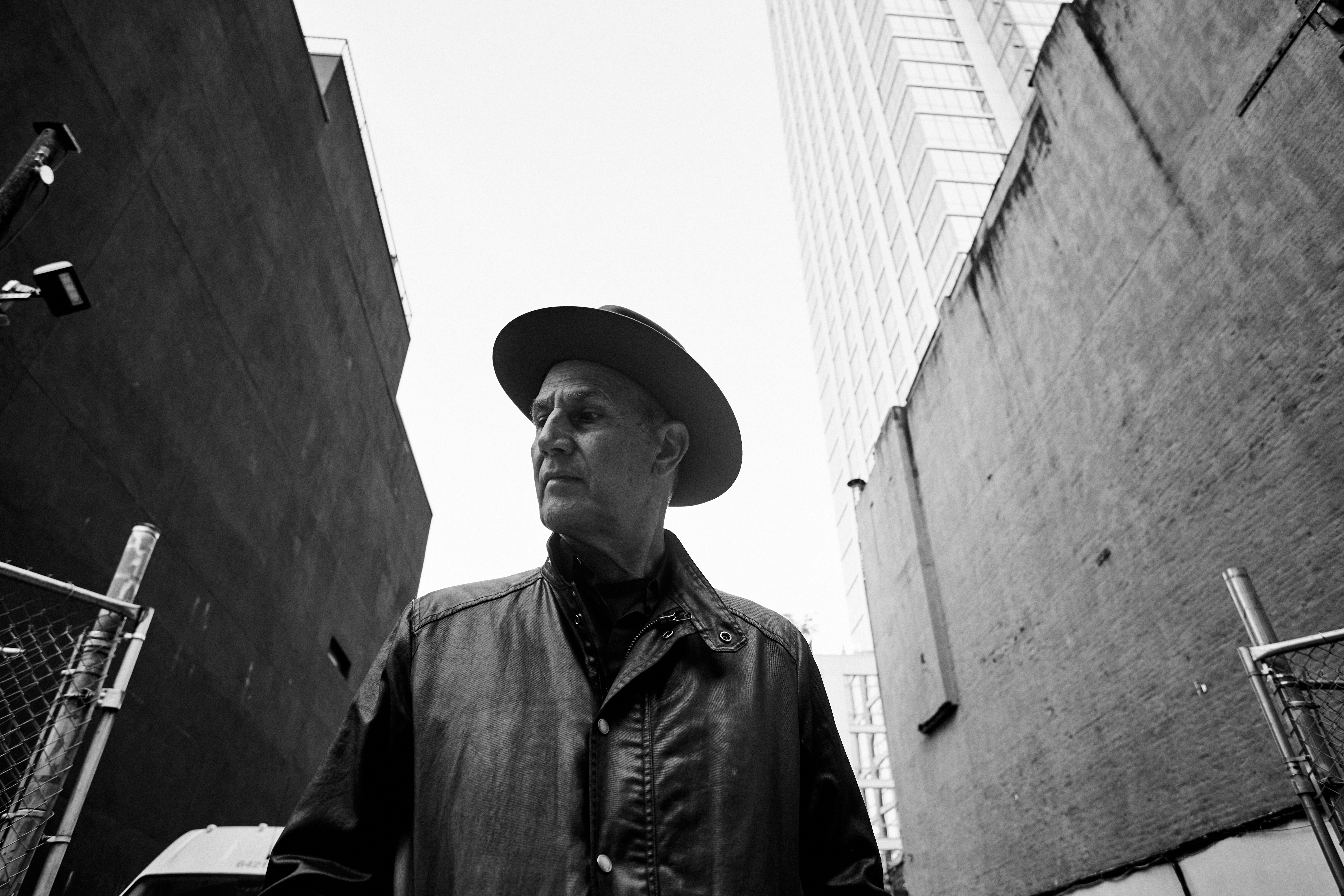
Photo Credit: Jimmy Fontaine
Latest ReleaseView All
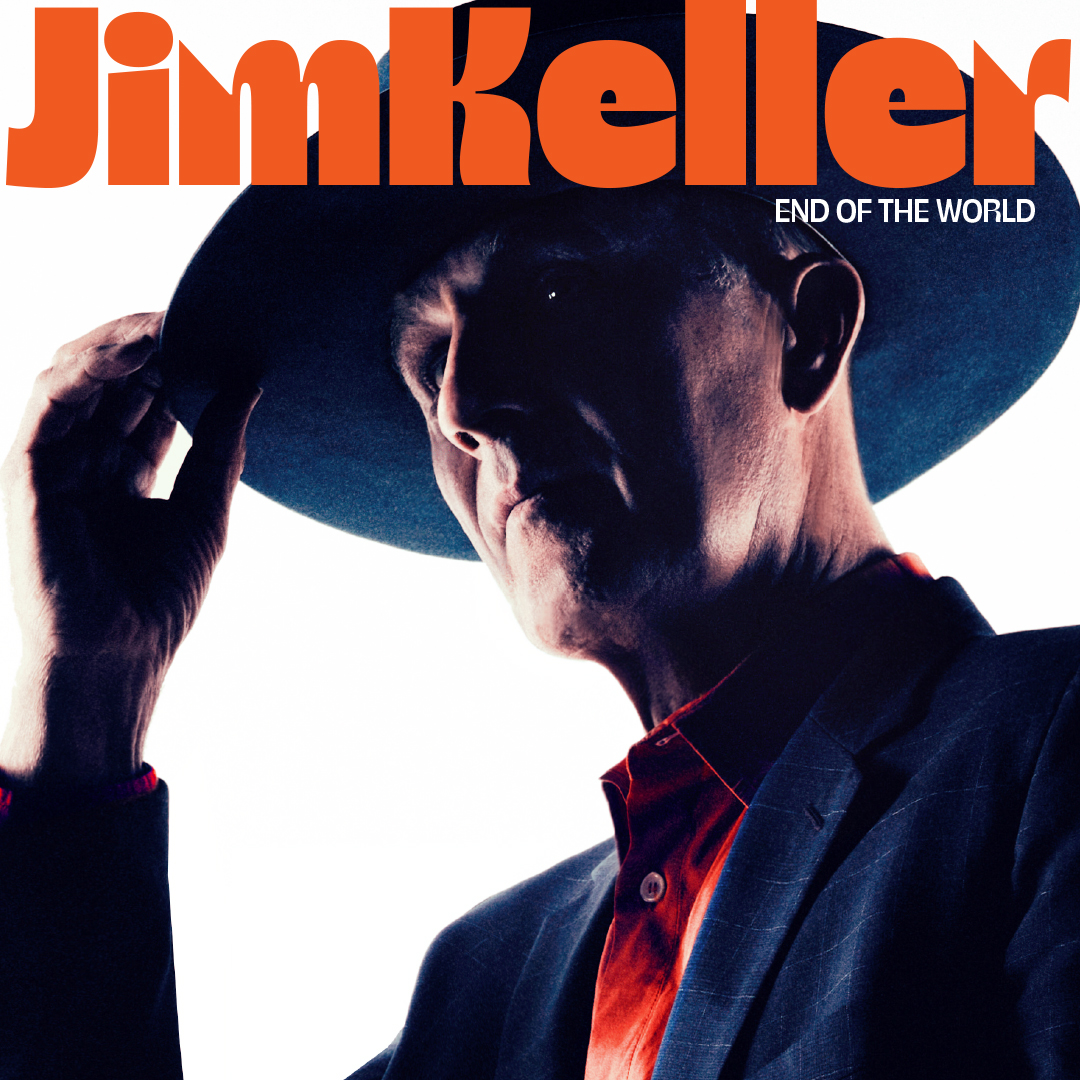
End of the World
Release date: 10.24.25
Press Releases View All
NYC Songwriter's Songwriter Jim Keller Inspires Us To “Love One Another” with New Single
Read MoreNYC Songwriter’s Songwriter Jim Keller Reveals the Fierce Dance Between Darkness and Drive with “Black Dog”
Read MoreNYC Songwriter’s Songwriter Jim Keller Announces New Album End Of The World, Out October 24
Read MoreBiography View
The end may be near, but Jim Keller’s not too worried.
“Drink that wine up and watch the river flow,” he sings on the title track of his masterful new album, End Of The World. “It don’t make no difference when it’s all gonna blow.”
Recorded with multi-instrumental wizard Adam Minkoff (Graham Nash, Doyle Bramhall II) and co-written with Byron Isaacs (The Lumineers, Levon Helm), End Of The World offers a wry, sardonic take on modern life, balancing sharp wit and earnest sincerity in equal measure as it reckons with loss, mortality, resilience, and hope. The songs are lean and intoxicating, driven by tight, playful arrangements that spotlight Keller’s infectious melodies, and the performances are punchy and raw, infusing the pub rock, new wave, and power pop Keller cut his teeth on with a 21st Century edge. The result is an electrifying collection from an artist in the midst of a prolific renaissance (End Of The World marks Keller’s fourth release in the last five years), an alternatingly acerbic and sentimental gem of an album that insists on finding joy and beauty, even as the walls come tumbling down around us.
“I think that balance between light and dark has always just come naturally to me,” Keller reflects. “Things are crazy out there right now, and sometimes the only way you can make sense of it all is with a three-minute pop song.”
It’s a medium Keller certainly knows his way around. Born and raised in New Jersey, he headed to California after getting kicked out of school in the early 1970s, crossing the country in an old pickup truck with nothing but a guitar and a table saw to his name. A carpenter by trade, Keller spent his days swinging a hammer and his nights gigging around San Francisco, where he eventually met singer Tommy Heath. The pair teamed up to form the band Tommy Tutone, landing a deal with Columbia Records and cracking the Top 40 with their very first single, 1980’s “Angel Say No.” The following year, the band topped the Billboard Rock Chart with “867-5309/Jenny,” which would go on to become one of the most iconic singles of the decade.
“We captured magic in a bottle with that one,” says Keller, who co-wrote the tune with Clover’s Alex Call. “We rode that arc all the way up and all the way down. The third record stiffed, the band split up, and I started scrambling around trying to figure out what to do next.”
After some years in the proverbial wilderness, Keller talked his way into a job with famed composer Philip Glass, running his publishing company before eventually managing his career outright for two-and-a-half decades. Along the way, Keller would launch his own publishing and management company, St. Rose Music, where he worked with the likes of Tom Waits, Ravi Shankar, and Rufus Wainwright.
“I stopped playing music entirely for about ten years during that time,” Keller explains. “I just focused on my job and building a family, but after a while, I realized I couldn’t live without it.”
And so, at 50, Keller returned to the career he’d put on hold, hosting weekly jam sessions and writing some of the strongest, most adventurous material of his career. Over the course of the next two decades, he’d go on to collaborate with artists like Mitchell Froom, David Hidalgo, and Nels Cline, recording and releasing a half-dozen critically acclaimed albums that would lead to profiles everywhere from NPR to The New Yorker. All the while, Keller remained committed to his weekly jam sessions, drawing inspiration and invigoration from the freewheeling spirit of communal creativity.
“I don’t film the sessions, I don’t record them, I don’t tell anybody what to do,” says Keller. “It’s just a place to get together and play with whoever’s in town, a chance to try new things and let the moment shape the material.”
While much of the music on End Of The World grew from those jam sessions, Keller has always been a craftsman at heart, and he dedicated countless hours to fine-tuning the songs (both on his own and with longtime writing partner Isaacs) before heading into the studio.
“I’ve never had any interest in recording a song unless it’s as close as it could possibly be to finished,” Keller explains. “My motivation has always been to try and create something that speaks to the human experience and translates to an audience in under three minutes. It all comes down to the song, and that’s something I’m still endlessly fascinated with.”
Keller’s respect for pop architecture is plain to hear on End Of The World, which opens with the soulful “Love One Another.” Like much of the record, it’s a multi-layered affair written with economical precision: on the surface, it’s cutting and jaded, but deep down, it’s a genuine plea for that ever-elusive peace, love, and understanding. The driving “Got No Time For That” contemplates what really matters as sand slips through the hourglass; the sweltering “Black Dog” faces the shadow of depression head-on; and the blistering “Lucky” follows a selfish lowlife who never seems to face any consequences. “If I rob a bank or steal an automobile / Hell I may get caught, but then I’ll just appeal,” Keller sings over fuzzed out guitar. “By the time I get to trial / I’ll be the president / I’ll free all my buddies / And I’ll let them pay my rent / Because I’m lucky.”
“There’s no doubt that the current political atmosphere impacted these songs,” Keller reflects. “I may not be writing about it directly, but it just naturally comes through in the storytelling, which is the case even on the more personal sounding songs. I don’t touch ‘autobiographical’ with a ten-foot pole, but there’s always some link to me somewhere in there.”
Indeed, Keller breathes vivid life into all of his characters, no matter how dissimilar they may seem: the bittersweet “Sally” follows a female soldier wrestling with PTSD after the war; the aching “I Wanna Go Home” gives voice to woman yearning for a life she’ll never get back; the buoyant “Here I Am” steps into the shoes of a lonesome drifter just waiting for a break in the clouds. But it’s perhaps on pure pop gems like “Pretending” and “Coffee In My Cup” that Keller shines brightest, capturing the full spectrum of love and longing and heartbreak and desire in deceptively simple, unassuming little sonic jewel boxes.
“Writing a decent song is hard,” says Keller. “Writing a great song is nearly impossible. But there’s nothing more fun than chasing that magic, and I just feel so lucky I still get to do it after all these years.”
The end may be near, but Jim Keller’s not too worried. He’s still got songs to write.
Online
- Official Site
- X
- .(JavaScript must be enabled to view this email address)