
Moses Boyd
Click  on photo to download high resolution version
All rights reserved. Photos are for editorial use only.
Photos
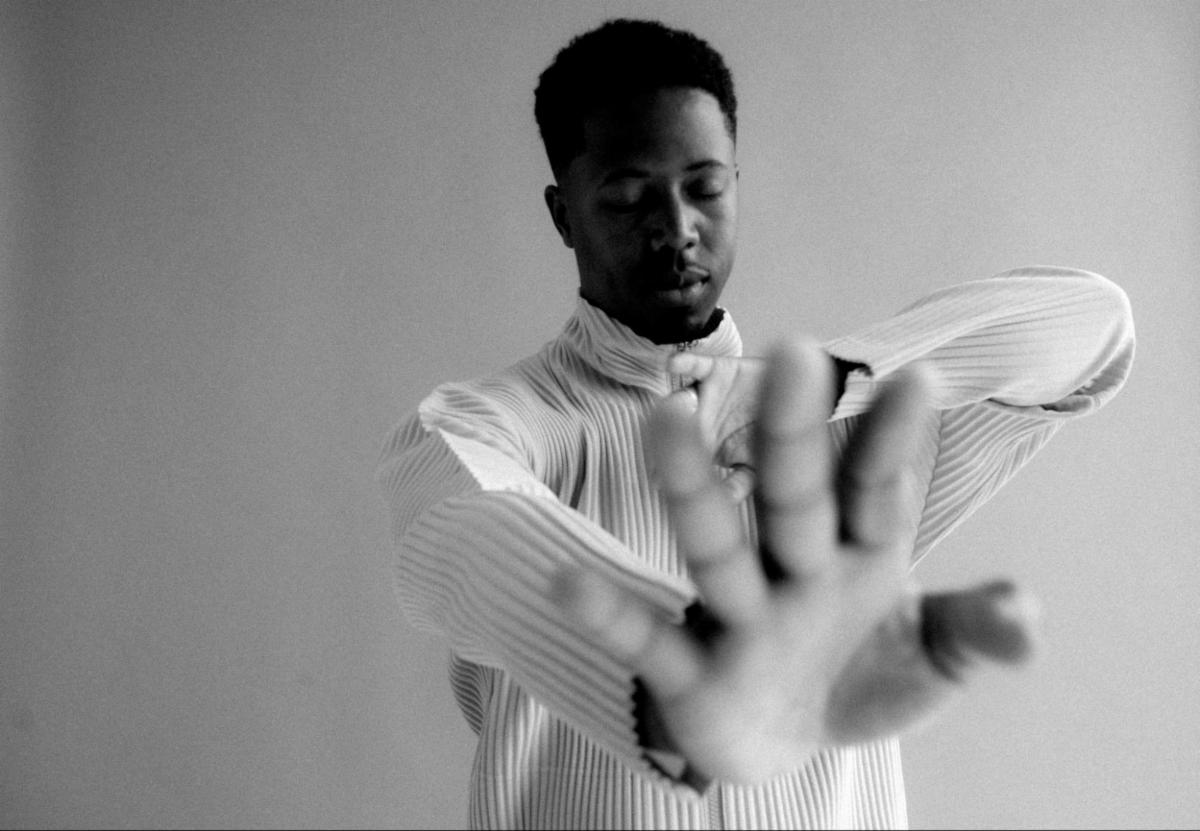
Photo Credit: Adama Jalloh
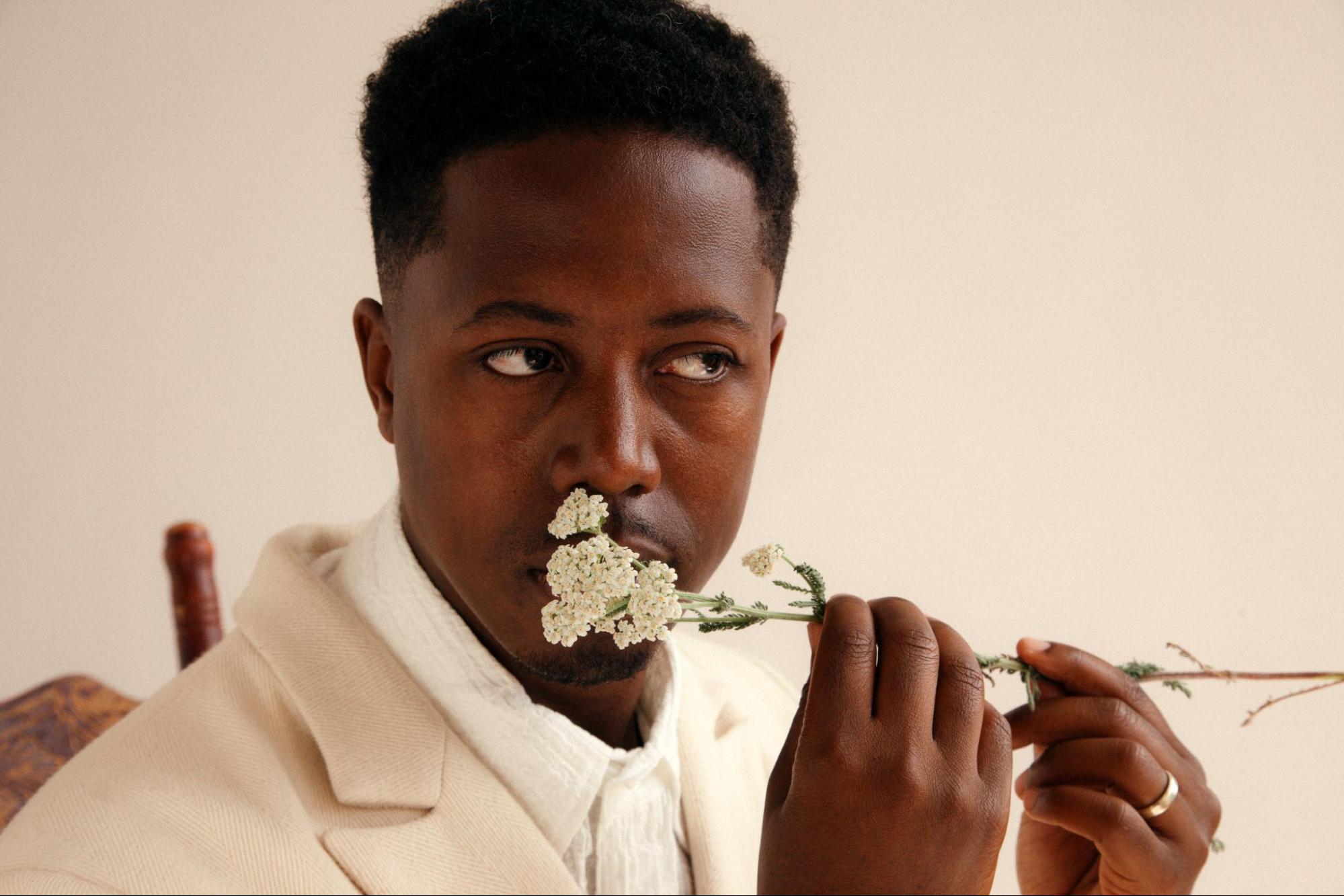
Photo Credit: Adama Jalloh
Videos


Latest ReleaseView All
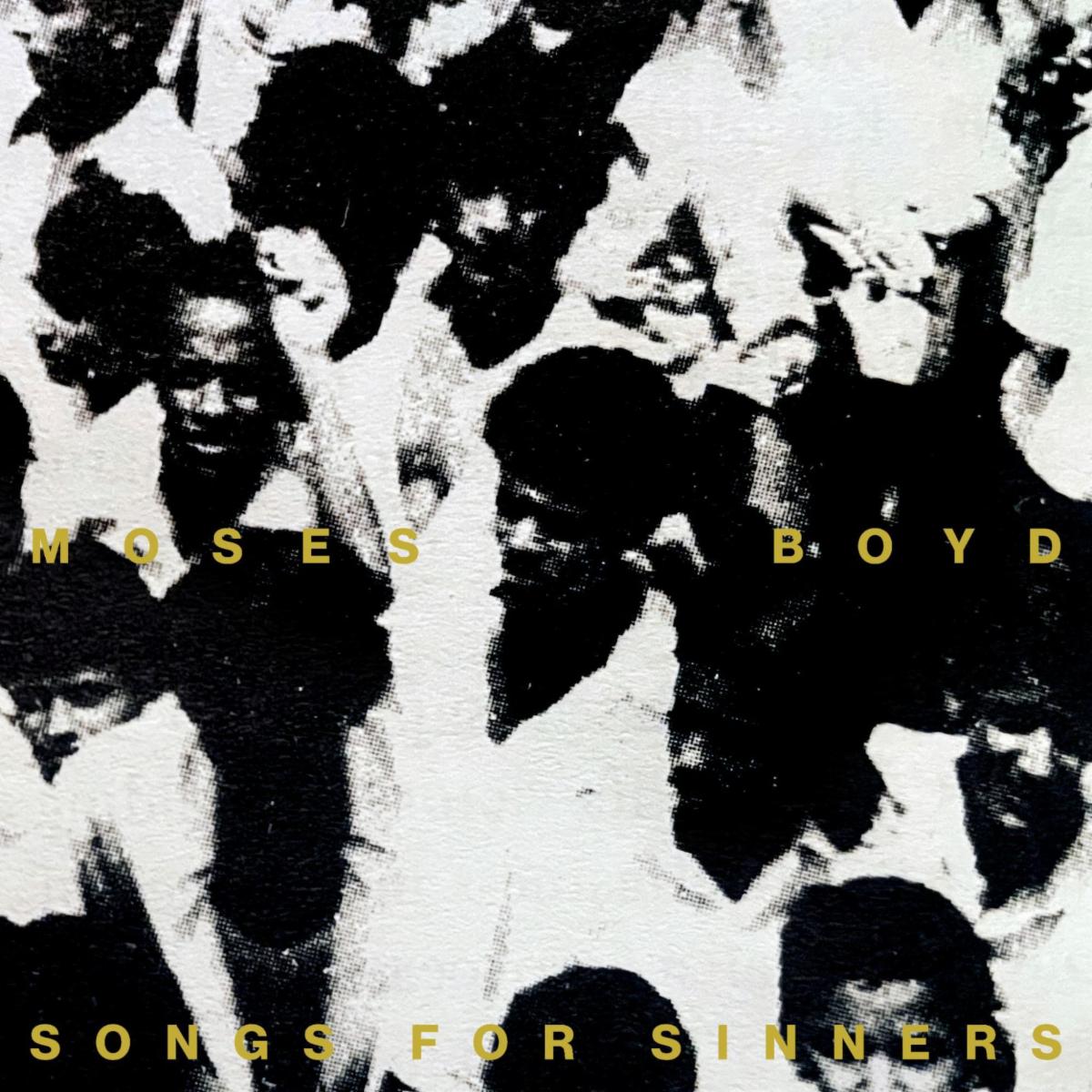
Songs For Sinners
Release date: 10.30.26
Label: Exodus
Press Releases View All
Moses Boyd Announces New Studio Album Songs For Sinners
Read MoreBiography View
by Marcus J. Moore
Songs for Sinners is an album about the push and pull of belief: running toward something, running away from it, and living in the charged space between the two. Throughout this LP — his second solo album and first in six years — Moses Boyd doesn’t preach or offer answers. Instead, he makes a record that treats faith as something deeply personal, unstable and human — a force that can comfort, unsettle, divide and restore. Gospel is part of the language, but not the whole sentence. Across a vocal-heavy set that folds together jazz, soundsystem culture, 808s, choir harmonies and Caribbean rhythm, Boyd asks what sacred music can sound like without arbitrary rules boxing it in.
Boyd is already one of the most inventive figures in music: a MOBO Award winner, Mercury Prize-shortlisted artist and a drummer, composer and producer who has spent years expanding the possibilities of jazz without ever treating the genre as a museum piece. A decade after “Rye Lane Shuffle” helped introduce his restless imagination to a wider audience, Songs for Sinners feels like a return and a leap forward — an album that reintroduces Boyd as a brilliant player and singular artist with a vision that reaches beyond category.
Boyd first imagined making this kind of album when he was 16. Raised in a Pentecostal household, he learned music from the inside: playing in services, absorbing the emotional force of gospel, and understanding early on that rhythm, harmony and devotion could be inseparable. Those formative years gave him a deep respect for the tradition, but also a sense that it could be pushed further. As he got deeper into jazz, he kept hearing the conversation between the two forms — the spiritual searching of jazz musicians flirting with gospel, the ecstatic lift of church music meeting the freedom of improvisation — and asking himself how far that dialogue could go.
He points to artists like Kirk Franklin, Sounds of Blackness, Fred Hammond and Tye Tribbett as proof that gospel can be sonically adventurous without losing its power. They opened the door to modern production, dense grooves and contemporary textures. Boyd wanted to walk through it.
At the time, though, he wasn’t ready. “I didn’t have the chops as a composer,” he has said, and that honesty is part of what makes Songs for Sinners feel earned. Boyd had to live a little more, sharpen his writing, and wait until the music could carry the weight of the idea. By the time he finished Dark Matter and toured it in early 2020, the world had shut down. The Covid-19 pandemic didn’t arrive as a single traumatic rupture in his life, but the long absence of community created conditions for the album to finally take shape.
Around him, conversations about faith became more urgent. His wife was working as a nurse during Covid, and the strain of those years sharpened his awareness of how differently people relate to religion. Some cling to it. Some reject it. Some carry wounds from it. Boyd recognizes all of that and still considers himself a man of faith. But organized religion is not the thing for him, and he’s careful not to position himself as an authority on the subject.
That distinction shapes the album’s lyrics, all of which Boyd wrote himself because the material felt too specific to hand to anyone else. There’s no sermonizing here, no evangelical instruction, no attempt to tell the listener what to think. On purpose, Boyd leaves each song open for interpretation. He wants listeners to make up their own minds.
Musically, Songs for Sinners is as open-ended as its themes. It is gospel-influenced, but not in the traditional sense. The album moves through different textures with ease: bruised jazz chords, bass-heavy soundsystem weight, electronic pulses, organ swells, handclaps, choral lift and moments of raw, communal singing.
One of the album’s earliest ambitions was to record an actual church service, but the logistics proved too difficult. Instead, Boyd found ways to evoke that atmosphere in the studio. “I Surrender All” was built from two separate pieces stitched together to feel like a service already in progress. Elsewhere, the album features what the credits call the “kitchen choir”: Boyd’s own family, recorded at home in his kitchen. Their voices sit alongside professional gospel singers, and that contrast is part of the story. It gives the album a lived-in intimacy that no amount of polish could manufacture.
The album is also more vocal-led than much of Boyd’s previous work. US rapper Chuck Strangers appears on “I Surrender All,” London vocalist Raelle features on “War,” and fellow Londoner Shantéh — lead singer of Steam Down and a vocalist who has worked with Emeli Sandé and Ann Nesby — also brings her voice to the LP. The singles “Say Yeah,” “Criticise” b/w “Saviour,” and “More to Life” each reveal a different facet of the album’s range: ecstatic, searching, tense and deeply human.
That’s the core of Songs for Sinners: it understands that the sacred is in ordinary life, in small acts of grace, in the quiet moments that carry more weight than they first appear to. Boyd doesn’t ask anyone to return to religion, and he doesn’t ask anyone to leave it behind. He simply asks them to listen.
That quiet challenge is what makes Songs for Sinners feel so vital. It’s an album about redemption, longing, forgiveness and the enduring tension between darkness and light — and about an artist who has spent enough time searching to know that certainty is not the point.
Online
- Official Site
- .(JavaScript must be enabled to view this email address)