
Skylar Grey
Click  on photo to download high resolution version
All rights reserved. Photos are for editorial use only.
Photos
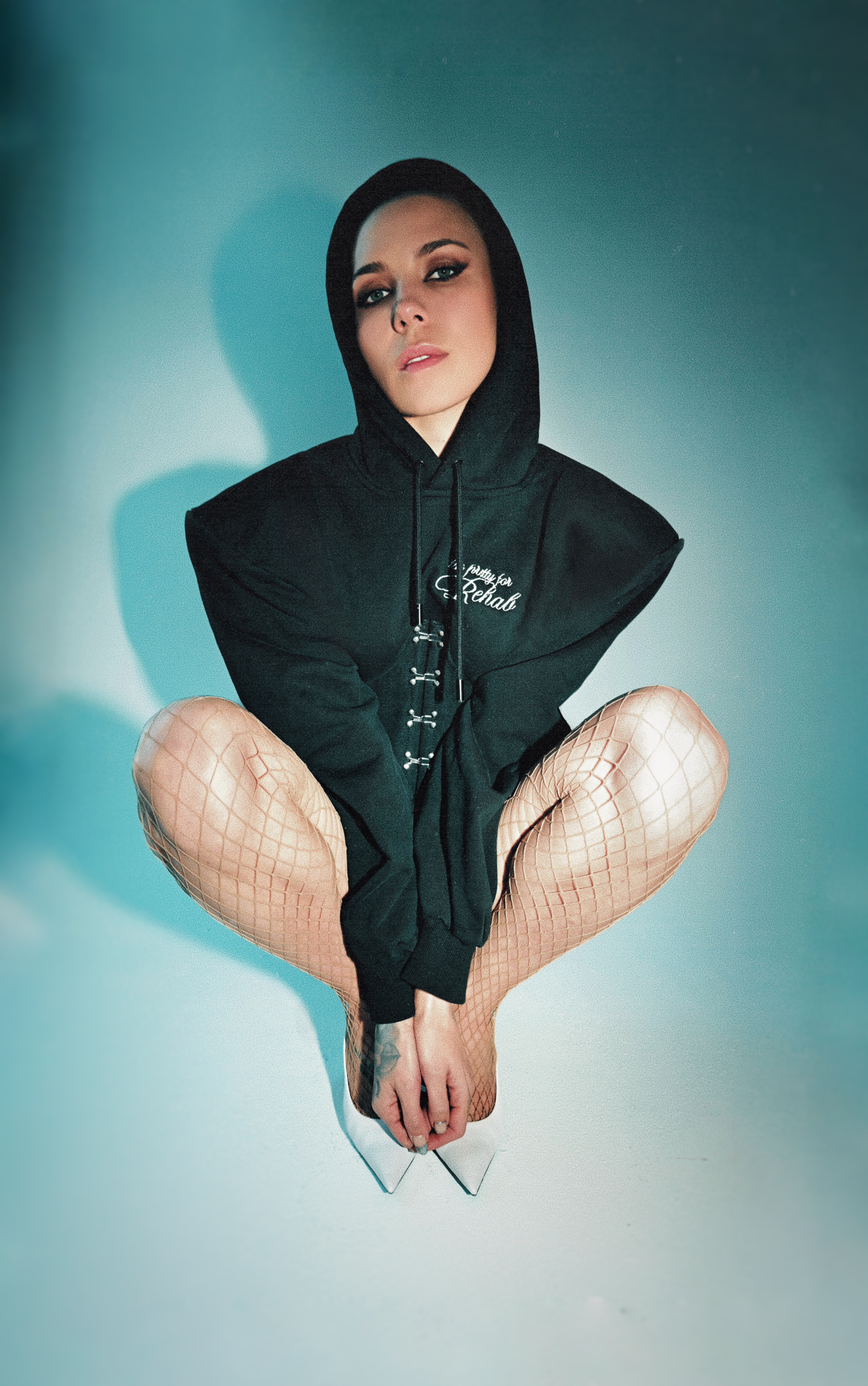
Photo Credit: Shervin Lainez
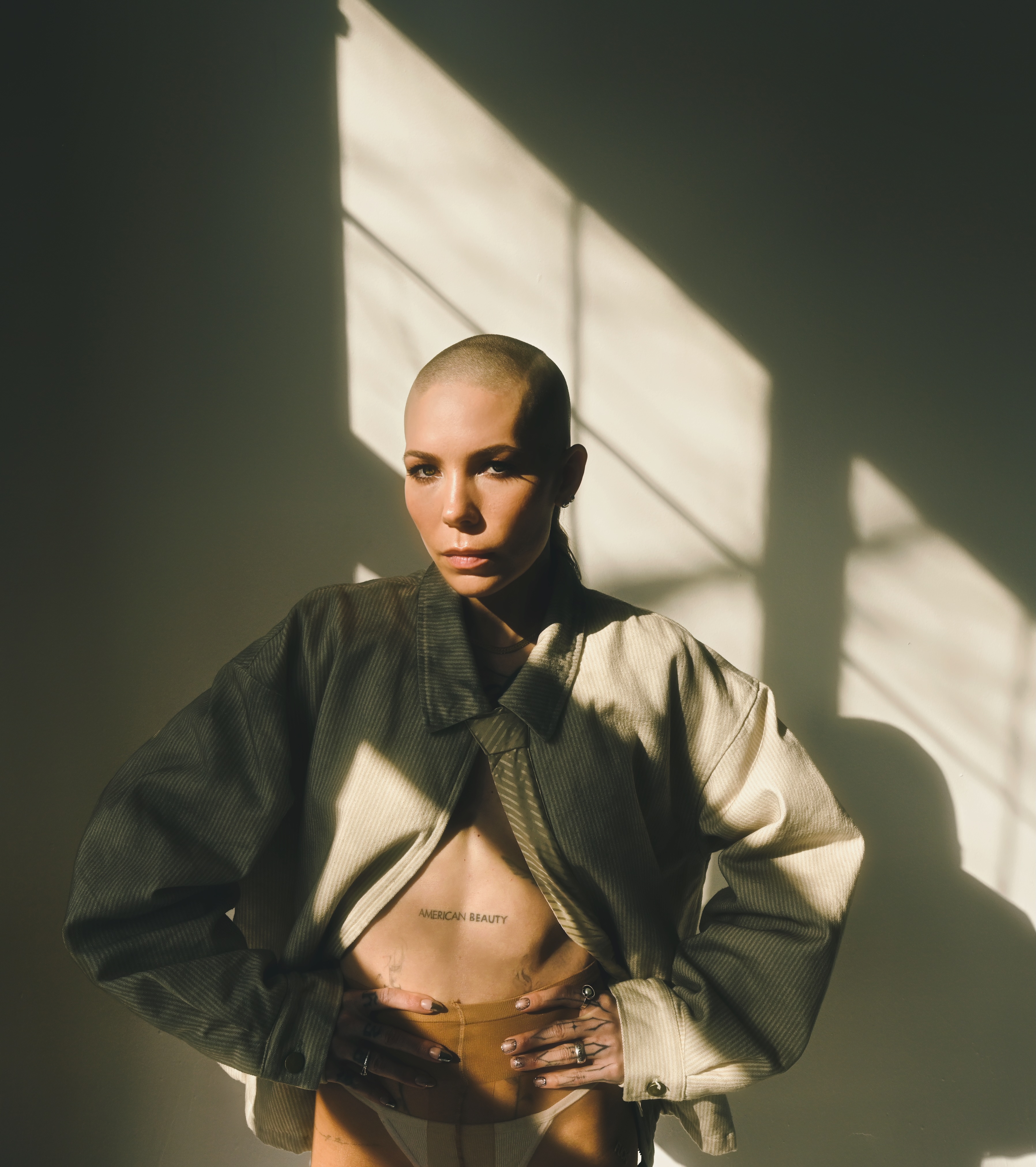
Photo Credit: Shervin Lainez

Photo Credit: Shervin Lainez
.jpg)
Photo Credit: Shervin Lainez
.jpeg)
Skylar Grey and Casual Media Partners' Heather Vassar. Photo Credit: Shervin Lainez
Videos


Latest ReleaseView All
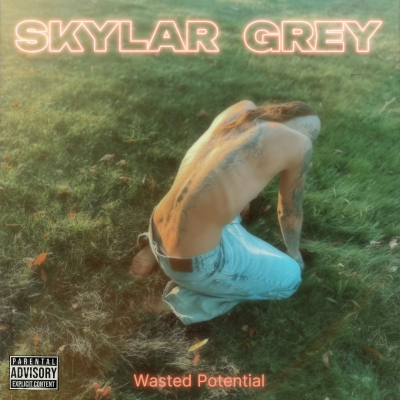
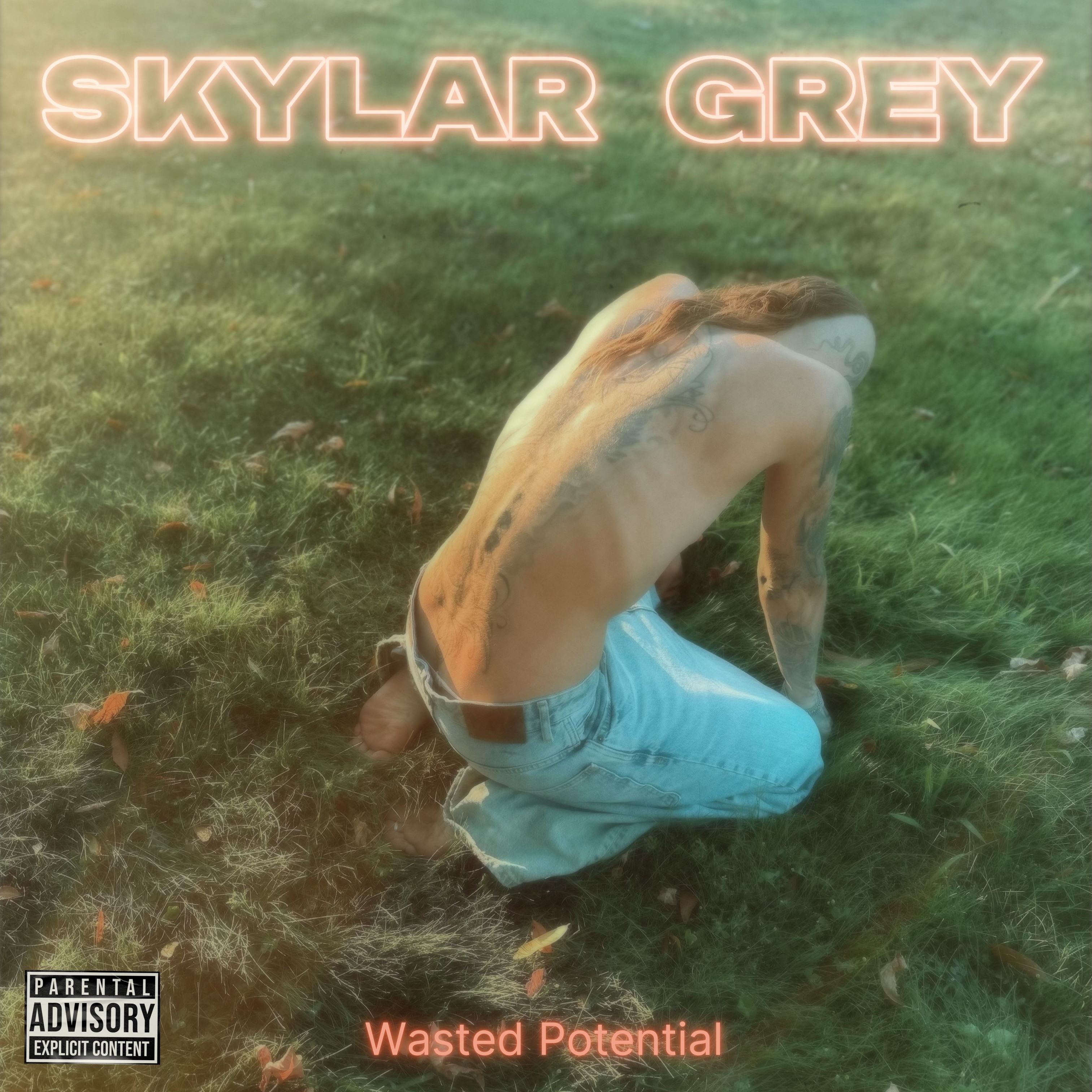
WASTED POTENTIAL
Release date: 5.22.26
Press Releases View All
Skylar Grey Rewrites Her Midwestern Girlhood On ‘Wasted Potential’Out Now
Read MoreSmall Town Fairs, Ferris Wheel Kissing And Vodka Water Bottles: Skylar Grey Brings High School Nostalgia W/ New Song
Read MoreSkylar Grey Lays It All Down For Love With “Black N’ Blue”
Read MoreBiography View
With a voice like heaven and lyrics like bruises, pop provocateur Skylar Grey is illuminating the honest messy corners of being human.
The existing awareness of Skylar Grey centers around her extensive list of songwriting credits and collaborations, such as her work with Eminem, Dr. Dre, Macklemore, and Zedd, to name a few, as well as her contributions to films such as Venom 2, Aquaman, 50 Shades of Grey, and the Fast and Furious franchise. “But thats not the part of my story that really made me who I am,” she says.
With penetrating lyrics so acutely relatable — sometimes devastatingly so — you’d swear Grey came from a broken home, or endured some kind of tragic childhood trauma. In reality, most of her wounds have been self inflicted. She was born into a loving, supportive family, and her upbringing was as plain and ordinary as a ham sandwich. The woodland-raised songstress grew up in the sleepy, blue collar, midwestern village of Mazomanie, Wisconsin, against a backdrop of bluffs that rose up like islands in an endless sea of cornfields; a place where life felt uneventful and predictable. But with her restless spirit and a hunger for adventure, she yearned for a way to escape the bland stillness of Midwestern normalcy, surrendering to a magnetic pull toward the dark and forbidden. Whether it was dabbling in witchcraft, despite being raised Christian, feeding inappropriate romantic desires, watching depressing movies just to feel the catharsis of sobbing, experimenting with substances, or making an array of other countless poor choices, she was always just searching for ways to feel more. But the heaviest drug she could find was music.
Music was always in her blood: her mom was a Celtic harpist, her dad sang tenor in a barbershop quartet, and Grey performed in dozens of musical theatre productions, as well as forming a folk duo with her mom called Generations. At the same time, the 90s pop and grunge explosion was soundtracking her adolescence as Garbage, Nirvana and Smashing Pumpkins made waves out of Wisconsin’s own Smart Studios. Spice Girls and Fiona Apple dominated pop radio, and Eminem swiftly climbed the hip-hop charts. But Grey’s favorite way to get her music “fix” was to sit at the piano for hours, neglecting school work and other mundane responsibilities, to get lost in the harmonic abyss while imagining that she was performing on the GRAMMYS.
“I treat songwriting as if I’m performing autopsies on past versions of myself,” she says of her process. “And when it all comes together in a melody, chord progression and lyric that is truly moving, there is no other high like that in the world.”
The final straw leading to her eventual escape from the Midwest was when one teacher scolded her for skipping her homework because of a gig, telling her, “Music is not a career.” And with that, Grey never showed up to class again. Her rebellious spirit took it as a challenge, and drove her to drop out of high school, despite her 3.9 gpa, to chase her dreams to Hollywood, signing her first record deal with Linkin Park’s Machine Shop Records before she was old enough to drink (legally). It was the first step on a whirlwind journey that would lead to her voice and pen becoming a haunting, delicate thread woven through pop culture — lending her signature melancholy to global hits such as, “Where’d You Go,” with Mike Shinoda of Linkin Park, Eminem and Rihanna’s “Love The Way You Lie,” and Diddy’s, “Coming Home,” and performing alongside Eminem and Dr. Dre at the 53rd Annual Grammy Awards — the exact moment she’d manifested years earlier while sitting at her piano in Wisconsin.
Ironically, however, the further she ran from her roots, the more she started longing for them. After years of industry near-breakthroughs, she admits, “I wasn’t prepared for the level of competition, sacrifice, and laborious work it would take to get where I wanted to be,” — a sentiment she lays humorously in her new song Motivation. The endless grind left her disoriented and burnt out, until the sleepy town she once couldn’t wait to leave started to look idyllic.
“Life in the Midwest was mid, at best,” she jokes. “But after putting myself through hell, I appreciate it so differently. I see the beauty of the simple life now.”
That shift is the beating heart of her new album, WASTED POTENTIAL a diary cracked open — an intimate, nostalgic, coming-of-age story told in 11 songs.
“And when I daydream about that old house, I can’t believe I ever wanted to burn it down,” she sings as she time travels back to her childhood home in the opening track, Nirvana — a lyric that captures her changed perspective on the place she once hated.
Cool Kids reflects on her desperate attempts to belong: “I’ve given up trying to get back that time and all the fucks I gave.” Channeling Fiona Apple’s Tidal era raw piano intimacy, the confessional Unfaithful deals with the guilt of following temptation, “I’ve been poisoned by my own deception,” and the despondent ballad Bruises, one of the first songs written for the album, reveals the consequences of relentless self-criticism, “I’m covered in bruises, been beating myself up.”
On the heals of recent releases, Temporary with Eminem and Past Yesterday with Jelly roll, both of which tackle difficult subjects, Bruises, may be the last tear-jerker we hear from Grey for a while. “Bruises was something I really needed to get off my chest. I've always been abusively hard on myself. After it was written, I felt so much lighter, and tired of depressing songs. It opened me up to writing some feel-good songs for once.”
The flirtatious double-entendre, Come, a modern day nod to Spice Girls’ 2 Become 1, Black and Blue, Plastic Water Bottles, and Spine, all capture the chaos of sexual awakening, and the thrill of taboo romance. Bullshit, is a bitterly funny take on unrequited love, driven by acoustic guitars reminiscent of Oasis’s Wonderwall. The album closes with an early-Radiohead-esque ballad, That’ll Be Fine, a mature resolve about finding happiness in love’s simple pleasures: “I’m alright with a decent meal and decent sex.”
“In my mind I’m still 17, because I feel like I left before I could finish being a kid. It haunts me. But I can’t go back, so the best I can do is write about it.”
Marrying emotional depth with undeniable hooks, WASTED POTENTIAL fuses Skylar’s diverse influences into her most authentic sound yet. “I love so many different things… I even have some influences I wish I didn’t, but it’s impossible to erase what’s been ingrained in me, its part of me. With this album I’ve decided to embrace it all,” she says. The result is a sonic collage that Grey describes as bubblegrunge — 90s and Y2K pop/grunge at its core, with singer-songwriter DNA woven throughout. With the grungy but glossy, broken but transcendent WASTED POTENTIAL, she isn’t just telling her story — she’s inviting listeners to relive their own, by building a universe where her fans — her “Darklings” — can feel seen, challenged, and set free.
Online
- Official Site
- X
- .(JavaScript must be enabled to view this email address)
- TikTok
- YouTube
- Fawn Friends Press Page
Press Clippings
- Atwood Magazine
- Billboard (1)
- Billboard (2)
- Billboard (3)
- Billboard IG
- Blunt Magazine
- Breathe Pop
- Brooklyn Vegan
- Dumb Blonde Podcast
- Front Row Live Entertainment
- Hit Parader
- Joe Rogan Experience
- Milwaukee Journal Sentinel
- MusicRow
- NPR Music
- Office Magazine
- Pop Dust
- RIFF Magazine
- Showing Up With Andy Grammer
- The Garnette Report
- The New Music Buzz
- The Verge
- Unfamous with Justin Tranter